Standard Group - Macromolecular Colorant|Copolymer Color Resin

Standard Group - Macromolecular Colorant|Copolymer Color Resin


Top Natural Food Colorant Sources
time:2025-05-06 click:Natural food colorants are in high demand due to consumer preferences for clean-label products. Here’s a breakdown of key sources.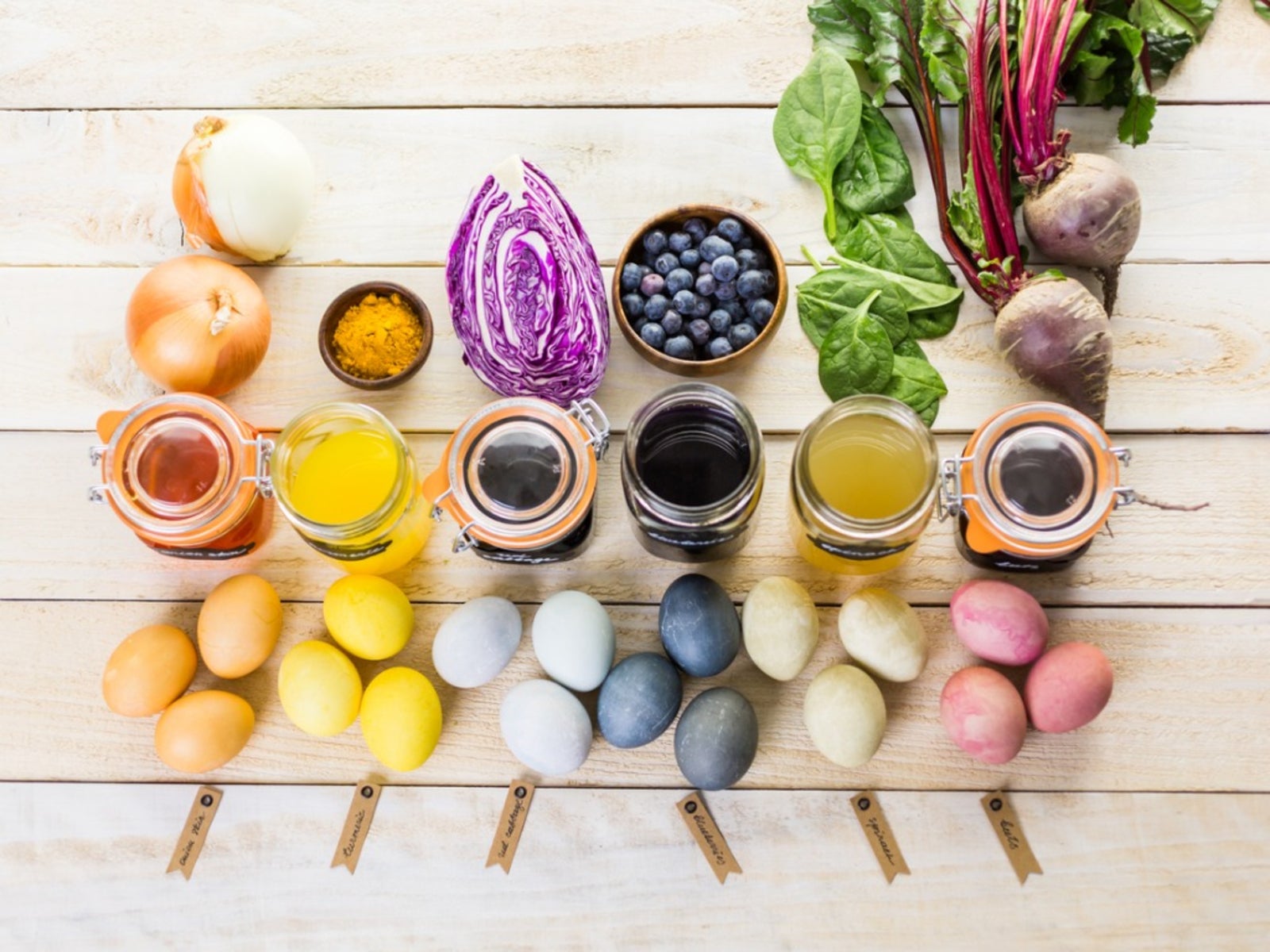
Derived from fruits, vegetables, and leaves, these are the most common natural colorants.
| Source | Color | Key Compounds |
|---|---|---|
| Turmeric | Yellow | Curcumin |
| Beetroot | Red/Pink | Betalains |
| Spinach | Green | Chlorophyll |
Why it matters: Heat-stable options (like anthocyanins from berries) work in baked goods.
Surprisingly vibrant and historically used.
Cochineal (Carmine): Deep red from insects (ethical concerns drive alternatives).
Lac Dye: Purple-red, used in Asia for centuries.
Inorganic but naturally occurring.
| Source | Color | Use Case |
|---|---|---|
| Iron Oxide | Red/Yellow | Confectionery |
| Titanium Dioxide | White | Icing, dairy |
Note: Some require regulatory approval (e.g., EU restrictions on TiO₂).
Fermentation-based solutions are rising.
Spirulina: Blue-green, rich in phycocyanin.
Monascus: Red (traditional Asian rice ferment).
Heat-processed sugars create brown hues.
| Type | Color Intensity | Common Uses |
|---|---|---|
| Class I | Light | Beer, sauces |
| Class IV | Dark | Colas, baked goods |
Contact Us
Email:sales@moutainchem.com
TEL:+86 132 6275 2056
Address:Songjiang district, Shanghai, China
Address:121 Des Voeux Road Central, Hong Kong