Standard Group - Macromolecular Colorant|Copolymer Color Resin

Standard Group - Macromolecular Colorant|Copolymer Color Resin


Become The Leader In Color Chemicals
time:2025-04-27 click:With the blessing of industrial dyes, human life has become colorful. However, while these industrial dyes bring a wonderful experience, they also have many pain points in use. The two most prominent pain points of traditional colorants are safety and functionality. For example, common color carriers such as paints and coatings are often accompanied by the release of harmful substances and gases when used, posing a threat to human health; dyes such as makeup and nail polish that directly contact the skin may also be infiltrated and absorbed by the human body under certain circumstances. In terms of functionality, traditional colorants use a host-guest doping method for coloring. The blended small molecule dyes and film-forming materials are prone to thermal migration, have low color fastness, and are easy to fade and discolor. How to eliminate hidden dangers from the source and create a safe and stable world of colors? A company focuses on the application and research and development of polymer colorants, and innovatively launches macromolecular colorants, which solves the problems of low safety and poor stability of traditional blended color matching schemes, and provides safer dyeing solutions for children's paints, beauty and daily chemicals, paints and other industries.
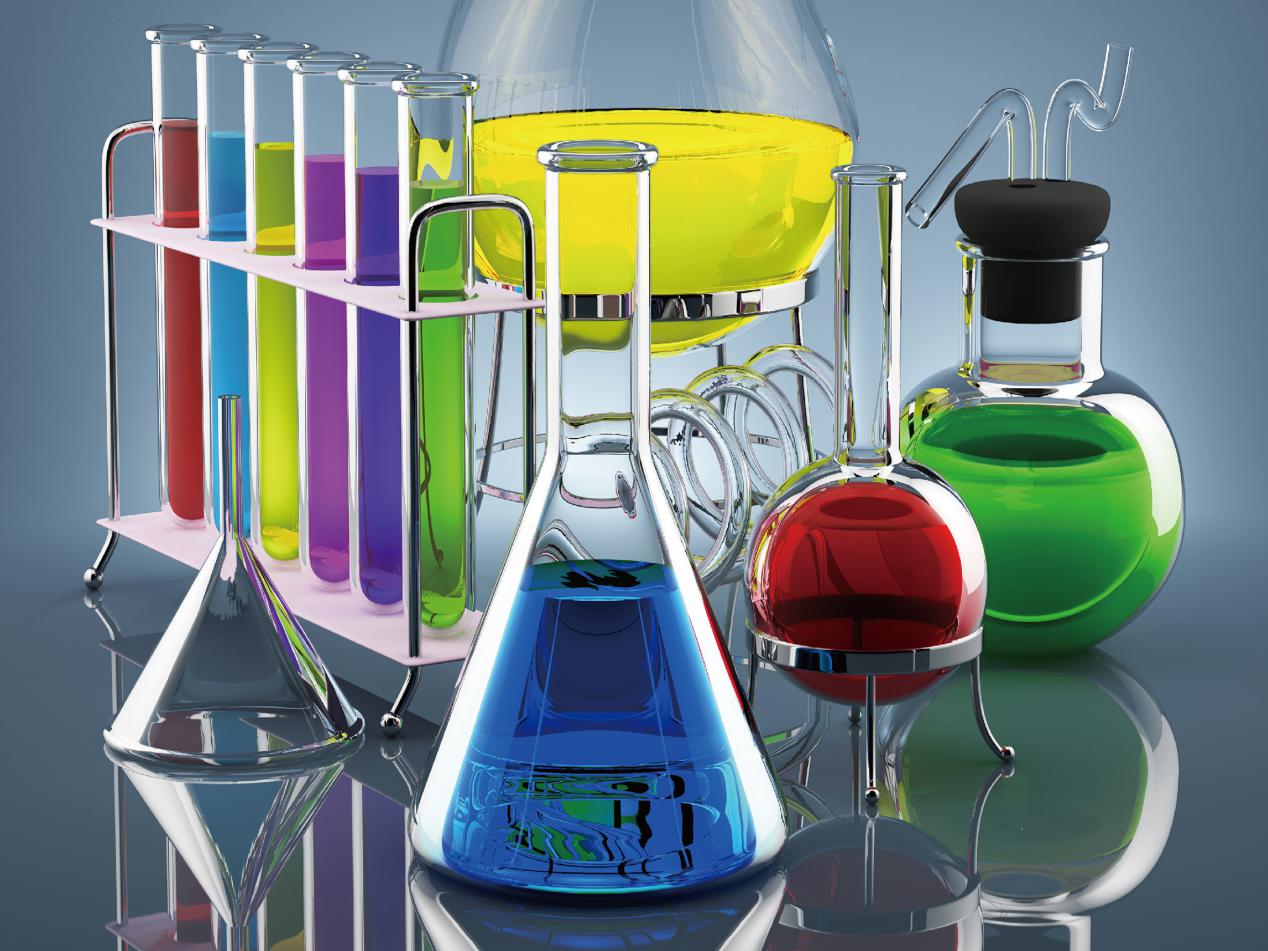
Colorants are substances that color products, give them color or improve their color. According to their sources and properties, colorants can generally be divided into synthetic colorants and natural colorants. It is reported that traditional synthetic colorants are mostly small molecule colorants. For a long time before, macromolecular colorant materials were monopolized by foreign countries.
As one of the earliest companies in China to engage in the research and development of macromolecular colorants, the company's innovative macromolecular colorants broke the foreign technology monopoly. So far, the company has applied for more than 40 national invention patents in the field of copolymer functional polymer materials, innovatively synthesized more than 120 polymer monomers with market prospects, and formulated more than 3.000 macromolecular colorants, which promoted the research and development and industrialization of macromolecular colorant materials.
Safe and healthy macromolecular dyes have promoted the progress of chemistry and materials, but the technical barriers of macromolecular colorants are very high. The founder told reporters that traditional coloring additives use host-guest doping coloring methods to simply form an outer film on the outside of the colorant, which is like putting on a coat for it, and the clothes are easy to fall off.
After numerous experiments, the macromolecular colorant that the instrument focuses on uses a reactive method to connect the chromophore with the macromolecular chain, and water-based to obtain a new polymer that combines the light absorption performance of the chromophore with the stability and safety of macromolecular materials. "Just like holding hands between people, let them react firmly together through special technology to form a high-performance structural material with its own color, good stability and high safety." It is reported that in terms of safety performance, the macromolecular colorant materials developed by Caihua Technology Innovation have passed the EU EN71-3 safety testing standard, acute oral and percutaneous toxicity tests, SGS and other related tests. In addition, the company has further developed technical products such as color copolymer resins, fluorescent copolymer emulsions, copolymer flame-retardant polyester materials and other copolymer functional materials, which can be widely used in cosmetics, food packaging, biomedical testing, coatings, paints and nonlinear optical materials.
According to the data of the Forward Industry Research Institute, the global colorant market is expected to reach US$65.65 billion in 2022. with a compound annual growth rate of 5.0% from 2017 to 2022. The global market size of resins and macromolecular materials has reached 130 billion US dollars in 2016. and is expected to reach 200 billion US dollars by 2025. The person in charge said that macromolecular colorant technology provides new ideas for dye reform and upgrading. The technology is slowly replacing traditional dyes and is being applied and promoted in more fields, especially in high-end products with relatively high safety requirements. Among them, the demand for macromolecular colorants in various end-use industries such as packaging, building and construction, and automobiles is increasing, and applications such as plastics, paints and coatings are also gradually increasing.
According to reports, the water-based macromolecular colorant it launched is different from the traditional pigment grinding and dispersion color paste system. The average particle size of its products is less than 100nm. It can be widely used in coatings, synthetic leather, plastics, inks, cosmetics, daily chemicals, and biological monitoring, and has significant advantages. For example, when applied to nail polish products, water-based macromolecular colorants have good compatibility with water-based nail polish resins, high safety, high color gloss, can simplify the formulation system, and increase the storage time of water-based nail polish.
In his opinion, compared with the lack of scientific research technology, the implementation of scientific research results is more difficult. "It is a systematic project for new materials to go out of the laboratory and achieve industrialization. It not only needs to meet the structural and color requirements of the raw materials themselves, but also needs to meet the needs of industrialization."
In view of this, the company has created a full set of solutions to help companies solve the pain points of coloring. Specifically, according to the pain point requirements raised by customers, technical solutions are given, and after customers put them into production, product adjustments and upgrades are made based on feedback from use. Li Junpei told reporters that in the company's R&D center, at least forty or fifty experimental reactions are carried out simultaneously every day, of which more than 90% of the reactions fail. On average, it takes 9 months or even up to two years to make a product model.
The reporter learned that the company is accelerating towards the strategic development 2.0 direction, further solidifying the foundation of a platform-based new material technology company, accelerating the landing of products and the conquest of the market, and will apply for a "specialized, refined and new" enterprise this year. "We hope to make a difference in the direction of advanced basic materials, key strategic materials, and cutting-edge new materials, and strive to grow into a Chinese force that dances with elephants on the international new materials stage."
Contact Us
Email:sales@moutainchem.com
TEL:+86 132 6275 2056
Address:Songjiang district, Shanghai, China
Address:121 Des Voeux Road Central, Hong Kong