Standard Group - Macromolecular Colorant|Copolymer Color Resin

Standard Group - Macromolecular Colorant|Copolymer Color Resin


Natural Food Colorants: A Vibrant Guide for Health-Conscious Choices
time:2025-05-06 click:Natural food colorants are pigments derived from plants, minerals, or other organic sources. Unlike synthetic dyes, they offer a safer, eco-friendly alternative for coloring food products.
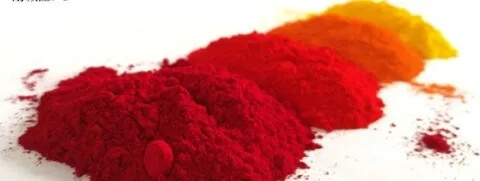
| Color | Source | Common Uses |
|---|---|---|
| Red | Beetroot, pomegranate | Beverages, dairy, confectionery |
| Yellow | Turmeric, saffron | Sauces, baked goods, snacks |
| Green | Spinach, matcha | Pasta, ice cream, desserts |
| Blue | Spirulina, butterfly pea | Drinks, frosting, candies |
| Purple | Purple sweet potato | Jams, yogurts, baked items |
| Orange | Carrots, paprika | Soups, cheeses, dressings |
Water-based extraction (for powders & liquids)
Oil-soluble options (for fat-based products)
pH sensitivity (some colors change with acidity)
Final Tip: Always check local regulations—some natural dyes require approval!
Contact Us
Email:sales@moutainchem.com
TEL:+86 132 6275 2056
Address:Songjiang district, Shanghai, China
Address:121 Des Voeux Road Central, Hong Kong