Standard Group - Macromolecular Colorant|Copolymer Color Resin

Standard Group - Macromolecular Colorant|Copolymer Color Resin


Colorant Migration Types in Industry
time:2025-05-06 click:Colorant migration is a critical phenomenon in various industries, affecting product quality and performance. Understanding the types of migration helps in selecting the right solutions. Below are the key migration types.
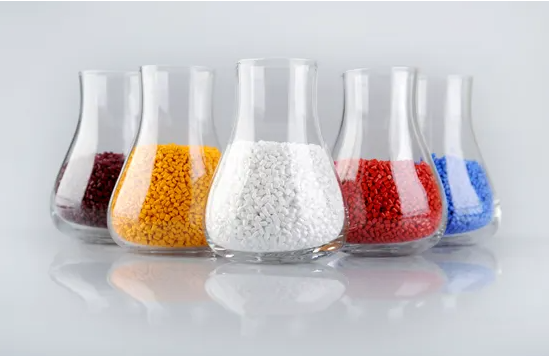
Occurs when colorants move due to concentration gradients. Common in polymers and coatings.
| Factor | Influence on Migration |
|---|---|
| Temperature | Higher temps accelerate diffusion |
| Molecular Weight | Lighter molecules migrate faster |
| Medium Porosity | Porous materials increase migration |
Surface accumulation of colorants, often seen in plastics and rubber.
Causes: Poor solubility, incompatible formulations
Effects: Uneven appearance, reduced adhesion
Colorants deposit on processing equipment, common in extrusion and molding.
| Prevention Method | Effectiveness |
|---|---|
| Additive Modification | High |
| Process Optimization | Medium |
| Equipment Coating | Low |
Exposure to atmospheric gases (NOx, SOx) causes discoloration.
Industries Affected: Automotive, textiles
Solutions: UV stabilizers, gas-resistant coatings
Liquid carriers transport colorants, prevalent in inks and dyes.
| Solvent Type | Migration Risk |
|---|---|
| Polar | High |
| Non-Polar | Low |
Heat-driven movement, critical in high-temperature applications.
Key Factors: Processing conditions, material stability
Contact Us
Email:sales@moutainchem.com
TEL:+86 132 6275 2056
Address:Songjiang district, Shanghai, China
Address:121 Des Voeux Road Central, Hong Kong